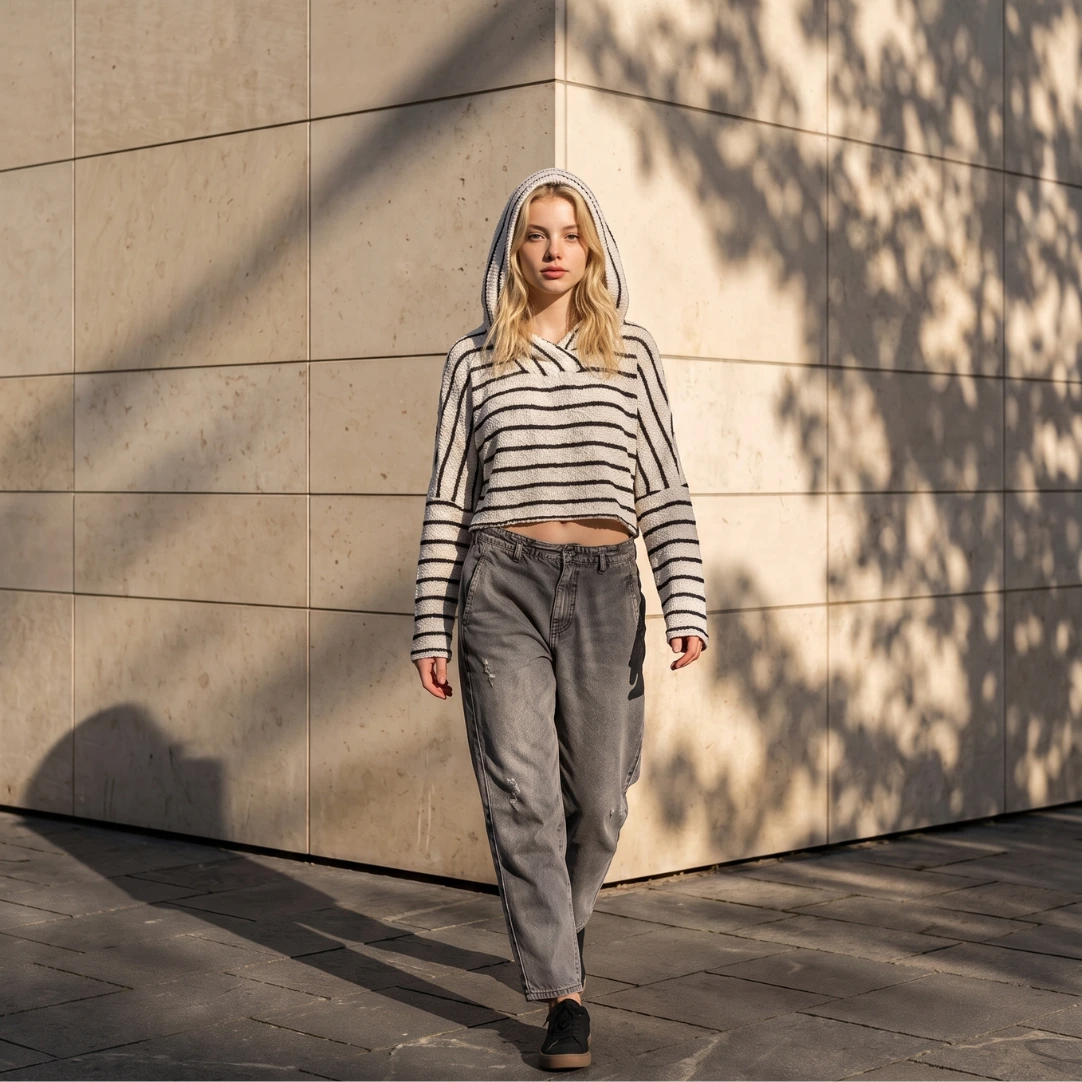
A minimalist wardrobe is not about owning as little clothing as possible. It is about choosing pieces that work together, feel comfortable, and reflect your personal style.
The most useful top minimalist wardrobe staples are versatile garments with clean lines, thoughtful proportions, and enough flexibility to be styled in different ways. They can be worn repeatedly without feeling repetitive—and when you sew them yourself, you can choose the fabric, fit, and details that make each piece truly yours.
For makers who love modern, relaxed silhouettes, a handmade minimalist wardrobe can be especially rewarding. A few well-designed tops, trousers, skirts, and layering pieces can create countless everyday outfits.
In this guide, we’ll explore essential minimalist wardrobe staples, what makes each one versatile, and how to choose sewing projects that help you build a wardrobe that feels cohesive rather than cluttered.
What Makes a Good Minimalist Wardrobe Staple?
A wardrobe staple should earn its place in your closet. Before choosing a garment to sew or buy, consider whether it meets these practical criteria:
- Versatility: Can you style it with several pieces you already own?
- Comfort: Does it feel good throughout the day?
- Timeless design: Will you still enjoy wearing it beyond one season?
- Wearability: Does it suit your everyday activities?
- Fabric quality: Does the material support the garment’s shape and purpose?
- Personal style: Does it feel like you, rather than simply following a trend?
Minimalism does not require a strict palette of black, white, and beige. You can build a cohesive wardrobe around neutrals, muted colors, denim, stripes, or a few carefully chosen statement shades.
The goal is to create more outfit possibilities with fewer, more considered pieces.
1. The Relaxed Everyday Shirt
A relaxed shirt is one of the most adaptable pieces in a minimalist wardrobe. It can be worn buttoned up, layered over a tank top, tucked into trousers, or left loose for an effortless silhouette.
For a timeless version, look for:
- a comfortable, slightly relaxed fit
- a clean collar and simple button placket
- a length that works tucked or untucked
- a fabric with enough structure to hold its shape
Cotton poplin, linen, and cotton-linen blends are useful options, depending on the look and drape you want.
If you are new to garment sewing, start with a stable fabric and review [Best Fabric for Beginner Garments: A Complete Guide] before choosing your material.
2. The Minimalist Oversized Top
An oversized top can become a foundation of a modern everyday wardrobe. Its relaxed shape works with straight-leg trousers, skirts, denim, and more structured outerwear.
The key is choosing an intentional silhouette. Oversized does not have to mean shapeless. Shoulder placement, sleeve volume, neckline, and garment length all affect how the top looks and feels.
A versatile oversized top may feature:
- a boxy or relaxed silhouette
- a simple neckline
- comfortable sleeves
- minimal detailing
- enough room for easy movement
Explore [How to Sew Oversized Tops: A Complete Beginner-Friendly Guide] for advice on fabric, fit, and construction.
For pattern inspiration, see [Best Sewing Patterns for Boxy Tops] and the [Raglan Shirt PDF Sewing Pattern].
3. The Everyday Pullover
A simple pullover is a practical layering staple. It can be worn with jeans, tailored trousers, skirts, or over a shirt when the weather gets cooler.
Choose a design with a clean shape and details that suit your wardrobe. A relaxed pullover in a neutral shade can work across seasons, while a more structured version can create a sharper look.
When sewing one, consider:
- the weight and stretch of the fabric
- neckline finish
- sleeve and body proportions
- whether you want a cropped, regular, or oversized length
A useful project option is the [Utility Pullover PDF Sewing Pattern].
4. The Relaxed Trousers
A comfortable pair of trousers can anchor many minimalist outfits. Depending on the cut and fabric, relaxed trousers can look casual, tailored, or somewhere in between.
Look for a shape that works with your preferred tops and shoes. Straight-leg and wide-leg silhouettes are especially easy to style because they can balance fitted, cropped, or oversized tops.
For a modern casual wardrobe, consider:
- an easy-to-wear waistband
- a comfortable rise
- enough room for movement
- a fabric with suitable drape
- a length that works with your everyday footwear
If you prefer a more utilitarian aesthetic, the [Oversized Parachute Pants PDF Sewing Pattern] offers a relaxed alternative to classic tailored trousers.
5. The Versatile Skirt
A skirt adds variety to a wardrobe built around trousers and tops. It can be styled with a simple T-shirt, a pullover, a button-up shirt, or a lightweight jacket.
When choosing a skirt, think about how its shape will work with the rest of your clothes. A fuller skirt creates a different balance from a straight or slim silhouette.
Two sewing projects to explore are:
Both can bring volume and shape to a minimalist wardrobe while allowing you to personalize the look through fabric choice.
6. The Layering Jacket
A simple jacket makes everyday outfits more adaptable. It adds structure, provides an extra layer, and can change the feel of a basic combination of top and trousers.
A minimalist jacket does not need many details. Often, the silhouette, fabric, and fit are what make it distinctive.
Consider:
- whether you want a fitted or relaxed shape
- how much room you need for layering
- the weight and structure of the fabric
- whether the jacket should be casual or more polished
The [Minimalist Bomber Jacket PDF Sewing Pattern] is one project to consider for a contemporary wardrobe.
For more on choosing fabrics for relaxed silhouettes, read [What Fabric Suits Oversized Garments Best?].
7. The Relaxed Hoodie or Hooded Top
A hooded top brings comfort and a casual layer to a minimalist wardrobe. It can be worn with trousers, skirts, or denim, depending on its proportions and fabric.
For a more refined look, choose a simple design with clean finishes and a fabric that drapes the way you want.
The [Hooded Kimono Top Sewing Pattern PDF | Slouchy Cropped Hoodie] is a project option for makers who like relaxed, contemporary shapes.
If you are working with a pattern for the first time, [How to Read Sewing Patterns: A Complete Beginner’s Guide] can help you understand pattern markings and construction instructions.
8. The Drawstring or Adjustable Top
An adjustable top can add subtle detail without making the wardrobe feel overly complicated. Drawstrings and gentle gathering can change the silhouette while keeping the overall design clean.
This type of garment can be especially useful when you want a top that feels distinctive but remains easy to pair with simple bottoms.
Consider the [Drawstring Ruched Back Top PDF Sewing Pattern] as a project for adding an adjustable detail to your handmade wardrobe.
When choosing fabric, pay attention to how it gathers and whether it has enough body to support the design.
9. The Everyday Crossbody Bag
A minimalist wardrobe includes accessories, too. An everyday crossbody bag can be practical while complementing a range of outfits.
When choosing or sewing a bag, think about:
- the items you carry every day
- strap length and comfort
- pocket placement
- fabric durability
- whether you prefer a soft or structured shape
For a handmade accessory, explore the [Messenger Bag Sewing Pattern PDF | Tie Strap Crossbody Bag].
You can also read [How to Sew a Simple Crossbody Bag] for a beginner-friendly introduction to the project.
10. The Functional Backpack
A backpack can be a useful alternative to a handbag, especially for commuting, travel, or carrying everyday essentials.
A minimalist backpack often works best when its design is streamlined and its storage is organized around how you use it.
Look for:
- a comfortable shape
- practical compartments
- durable fabric
- secure closures
- a size that suits your daily routine
The [Origami Slim Backpack PDF Sewing Pattern (Fits 15” Laptop)] is an option for makers who want to sew a functional everyday accessory.
11. The Balloon or Statement Skirt
A minimalist wardrobe can still include pieces with volume and personality. A statement skirt can become the focal point of an outfit when paired with a simple top and understated accessories.
The secret is balance: combine a more sculptural garment with simpler pieces so that it remains easy to wear.
Explore the [Balloon Skirt PDF Sewing Pattern] for a distinctive silhouette, or the [Knee-Length Bubble Skirt Sewing Pattern PDF] for another option with volume.
12. The Slim Backpack or Structured Accessory
A well-designed accessory can make simple outfits feel complete. A slim backpack, structured bag, or compact pouch can add function without competing with the rest of your wardrobe.
If you enjoy sewing accessories, you may also like [How to Make a Boxed Pouch That Looks Neat].
For more beginner project ideas, browse [12 Beginner Sewing Projects for Adults] and [9 Beginner Sewing Projects Clothes You’ll Wear].
How to Build a Minimalist Wardrobe That Works Together
Choosing individual staples is only part of the process. The next step is making sure they work together.
Start with your real lifestyle
Think about what you wear most often. Your wardrobe may need more comfortable tops and trousers than formal clothing—or more layering pieces if you spend a lot of time outdoors.
Choose garments that support your daily routine rather than building a wardrobe around an idealized lifestyle.
Choose a flexible color palette
A cohesive palette makes it easier to combine pieces. You might start with two or three base colors and add a few accent shades.
For example:
- black, white, and denim
- beige, cream, and olive
- charcoal, white, and muted blue
- neutral basics with one or two stronger colors
There is no single correct minimalist palette. The best one is the palette you enjoy wearing.
Think about proportions
A wardrobe feels more versatile when different silhouettes can be combined.
For example:
- a boxy top with straight-leg trousers
- a relaxed pullover with a skirt
- a cropped jacket over a longer top
- a loose shirt with a more streamlined bottom
When sewing, consider how the finished garment will work with pieces you already own—not just how it looks on its own.
If you need to adjust a pattern to suit your measurements, see [How to Grade Between Sizes: A Complete Guide to Blending Sewing Pattern Sizes].
Choose fabrics intentionally
Fabric affects drape, structure, comfort, and the overall appearance of a garment.
A crisp cotton shirt will behave differently from a soft knit top. A structured fabric can emphasize a boxy silhouette, while a fluid fabric can soften it.
Before starting a project, review [Best Fabric for Beginner Garments: A Complete Guide] and [What Fabric Suits Oversized Garments Best?].
For troubleshooting common sewing issues, [How to Prevent Fabric Puckering: A Complete Guide for Sewists] may also be helpful.
Sewing Your Own Minimalist Wardrobe
Sewing your own clothes allows you to choose not only the design, but also the fit, fabric, color, and finishing details.
You can build your wardrobe gradually instead of trying to make everything at once.
A practical approach is to:
- Identify the garments you wear most often.
- Choose one versatile pattern to begin with.
- Select fabric that suits both the pattern and your experience level.
- Make a test garment when needed.
- Evaluate how the finished piece works with your existing wardrobe.
- Repeat the process with another staple.
If you are new to sewing, start with [How to Sew for Beginners Without Stress], [10 Best Beginner Clothing Patterns to Sew], or [Best Beginner Sewing Patterns Clothes].
You may also find [12 Best Beginner Sewing Patterns to Try] and [How to Choose a Beginner Sewing Patterns PDF] useful when selecting your next project.
Choosing PDF Sewing Patterns for Your Wardrobe
PDF sewing patterns can be a practical option when you want to access a pattern digitally and print it in a format that suits your setup.
Depending on the pattern, available formats may include tiled home-printing files, large-format files, or projector files.
To understand the differences, read:
- [Paper Sewing Patterns vs PDF: Which Sewing Pattern Is Better?]
- [A4 vs A0 Sewing Patterns: Which PDF Format Should You Choose?]
- [Projector Sewing Patterns for Beginners: The Complete Guide to Sewing Without Printing]
- [How to Use Projector Sewing Files: A Complete Beginner’s Guide]
For a broader overview of digital patterns, see [Why Modern PDF Sewing Patterns Work].
A Minimalist Wardrobe Is Personal
There is no universal checklist that every minimalist wardrobe must follow.
Some people rely on simple shirts and trousers. Others prefer skirts, oversized tops, functional bags, or expressive silhouettes. A wardrobe can be minimalist in its approach while still reflecting an individual style.
The most useful staples are the ones you reach for often, feel comfortable wearing, and can combine in ways that suit your life.
Rather than aiming for a perfect capsule wardrobe, start with a few pieces that work well together—and build from there.
Final Thoughts
The top minimalist wardrobe staples are not necessarily the most basic garments. They are the pieces that combine comfort, versatility, and personal style.
A relaxed shirt, an oversized top, everyday trousers, a versatile skirt, a layering jacket, and a practical bag can form the foundation of a wardrobe that feels both functional and expressive.
When you sew these pieces yourself, you can make thoughtful choices about fabric, fit, and design—and create a wardrobe that feels uniquely yours.
Start with one staple, choose a pattern that suits your experience, and build your minimalist wardrobe one well-made piece at a time.
Leave a Reply
You must be logged in to post a comment.