
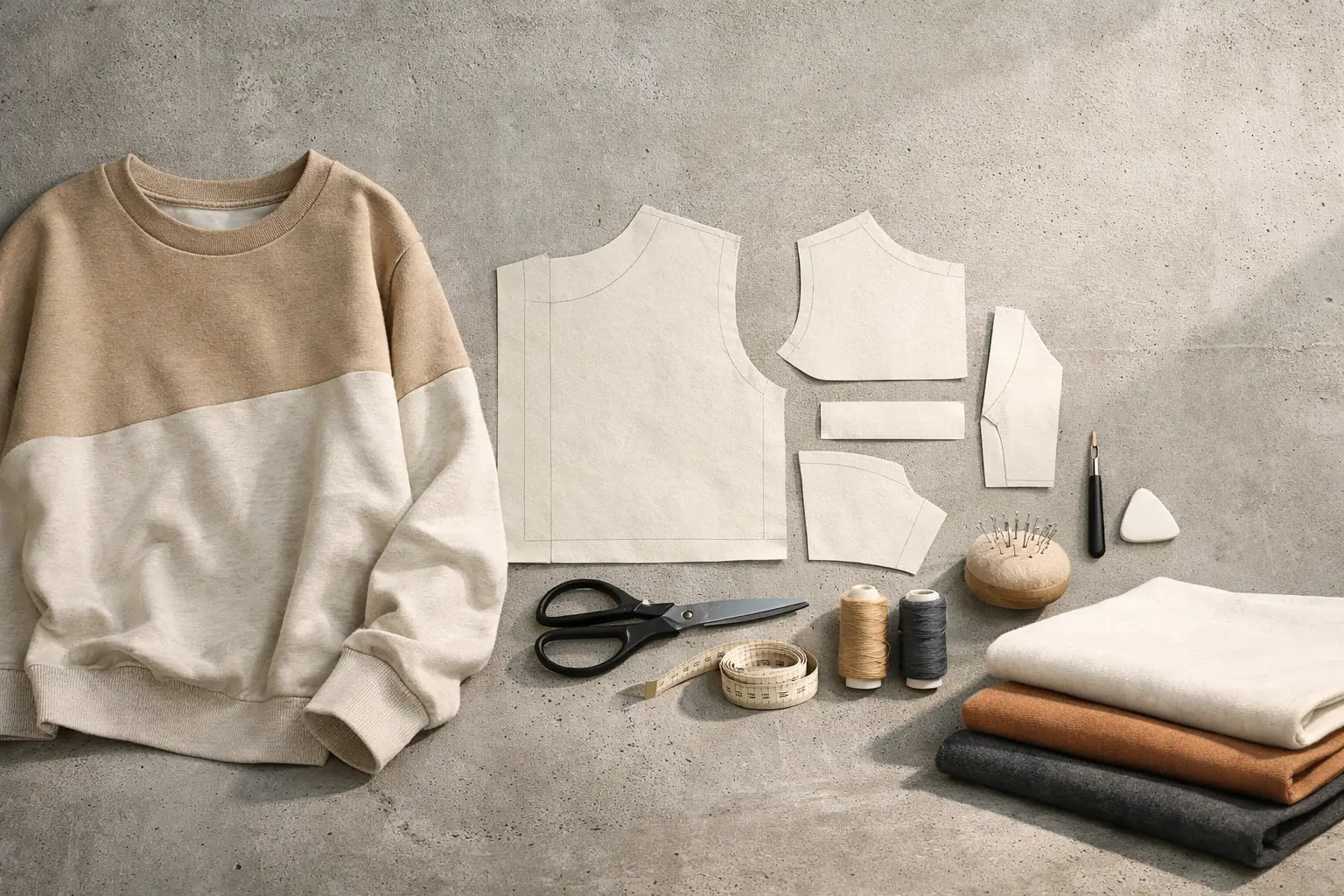
Oversized clothing has become one of the defining trends in modern handmade wardrobes. Clean silhouettes, relaxed fits, and effortless styling make oversized tops both fashionable and practical. Better still, they’re one of the easiest garments for beginners to sew.
If you’ve been searching for how to sew oversized tops, you’re probably wondering whether they’re actually easy to make or if the relaxed fit simply hides complicated construction. The good news is that most oversized tops are considerably easier than fitted garments. They require less precise fitting, allow more room for adjustment, and teach many of the essential garment sewing techniques you’ll use throughout your sewing journey.
In this guide, you’ll learn how to sew oversized tops step by step, choose the right fabric, avoid common beginner mistakes, and create garments that look professionally made.
Why Oversized Tops Are Perfect for Beginners
Many new sewists assume that simple-looking garments must be difficult because they look stylish. In reality, oversized tops are often the opposite.
A relaxed silhouette naturally allows for movement and ease, meaning small sewing inaccuracies are rarely noticeable. Unlike fitted blouses or tailored shirts, you aren’t trying to shape every curve of the body.
Oversized garments usually involve:
- fewer fitting adjustments
- straighter seam lines
- simple necklines
- minimal closures
- forgiving sleeve construction
Instead of fighting against complicated tailoring, you spend your time learning core sewing skills that you’ll use on every future garment.
If you’re just beginning, you may also enjoy reading How to Sew for Beginners Without Stress, where you’ll learn how to build sewing confidence from your very first project.
Choosing the Right Oversized Top Pattern
Not every oversized pattern is beginner-friendly.
Some include hidden complexity like:
- collars
- button plackets
- cuffs
- yokes
- intricate facings
- advanced sleeve construction
For your first oversized top, look for patterns with:
✔ dropped shoulders
✔ relaxed body shape
✔ minimal seams
✔ simple neckline
✔ clear instructions
✔ printable PDF layers
The Drawstring Ruched Back Top PDF Sewing Pattern is an excellent beginner project because it combines a modern oversized silhouette with simple construction while introducing one interesting design feature without becoming overwhelming.
If you prefer something even more casual, the Raglan Shirt PDF Sewing Pattern is another excellent choice since raglan sleeves are often easier to sew than traditional set-in sleeves.
If you enjoy relaxed layering pieces, you’ll also love the Hooded Kimono Top Sewing Pattern PDF | Slouchy Cropped Hoodie, which introduces oversized styling with beginner-friendly construction.
For more ideas, see Best Sewing Patterns for Boxy Tops.
The Best Fabrics for Oversized Tops
Fabric choice often determines whether sewing feels enjoyable or frustrating.
For beginners, stable woven fabrics make the learning process much easier.
Excellent choices include:
- Linen
- Linen blends
- Cotton poplin
- Cotton lawn
- Chambray
- Double gauze (after a little experience)
- Lightweight cotton twill
These fabrics:
- stay flat while cutting
- press beautifully
- don’t stretch unexpectedly
- produce crisp seams
- help achieve a clean finish
If you’re unsure which material works best, read What Fabric Suits Oversized Garments Best?
Avoid extremely slippery fabrics like satin during your first projects. They shift while cutting and sewing, making even simple garments unnecessarily difficult.
Understanding Ease in Oversized Clothing
One of the biggest misconceptions about oversized clothing is that it’s simply “made bigger.”
Professional oversized garments are designed using something called wearing ease.
This means the additional width is carefully distributed across:
- shoulders
- bust
- sleeves
- armholes
- body length
Good oversized patterns maintain proportion while still creating a relaxed silhouette.
This is why choosing a professionally drafted pattern matters far more than simply sizing up.
Step 1: Prepare Your Pattern
Before cutting fabric:
- print the correct size (or use projector files)
- check the test square
- select the correct size layer
- read the instructions completely
If you’re working with PDF patterns, you’ll find these helpful:
- How to Choose a Beginner Sewing Patterns PDF
- Paper Sewing Patterns vs PDF: Which Sewing Pattern Is Better?
- A4 vs A0 Sewing Patterns: Which PDF Format Should You Choose?
- Projector Sewing Patterns for Beginners: The Complete Guide to Sewing Without Printing
- How to Use Projector Sewing Files: A Complete Beginner’s Guide
Understanding your pattern before cutting fabric prevents most beginner mistakes.
Step 2: Cut Fabric Carefully
Oversized garments may look forgiving, but accurate cutting still matters.
Always:
- align the grainline
- press fabric first
- use pattern weights if possible
- transfer all notches
- cut slowly
Many beginners rush through cutting because sewing seems more exciting.
Experienced sewists know that careful preparation often produces better-looking garments than perfect stitching alone.
Step 3: Sew in the Correct Order
Although every pattern differs slightly, oversized tops usually follow a similar construction sequence.
Typical order:
- Sew shoulder seams
- Finish neckline
- Attach sleeves
- Sew side seams
- Sew sleeve seams
- Finish hem
- Finish sleeves
Keeping the construction logical makes the entire process much less intimidating.
How to Sew Beautiful Necklines
The neckline is often the feature people notice first.
Depending on your pattern, you may use:
- neckbands
- facings
- bindings
- folded hems
Beginners often worry about necklines, but most oversized tops use clean, uncomplicated finishes.
Take your time pressing every step.
Good pressing usually matters more than perfect stitching.
Sewing Raglan vs Dropped Shoulder Sleeves
Oversized tops generally use one of two sleeve styles.
Raglan Sleeves
Raglan sleeves extend from the neckline to the underarm.
Advantages:
- easier alignment
- comfortable fit
- modern casual appearance
- excellent for beginners
The Raglan Shirt PDF Sewing Pattern is a perfect example.
Dropped Shoulder Sleeves
Dropped shoulders extend the shoulder seam beyond the natural shoulder.
Benefits include:
- simple construction
- relaxed fit
- easy sleeve insertion
- contemporary oversized look
Both styles are excellent beginner choices.
Press Every Seam
Professional-looking garments aren’t created by expensive sewing machines.
They’re created by pressing.
After every seam:
- press flat
- press open or to one side
- allow fabric to cool
- continue sewing
Skipping pressing is one of the fastest ways to make handmade garments look homemade.
Common Beginner Mistakes
Choosing the Wrong Fabric
Beautiful fabric doesn’t always sew beautifully.
Beginners achieve better results with stable woven fabrics.
Sewing Too Fast
Speed comes later.
Accuracy comes first.
Slow stitching almost always produces straighter seams.
Ignoring Pattern Instructions
Even experienced sewists read instructions.
Professionally written patterns explain the construction order for a reason.
Skipping Test Garments
If you’re unsure about sizing, inexpensive cotton can save expensive linen later.
Not Measuring Yourself
Oversized clothing still requires choosing the correct base size.
Measure:
- bust
- waist
- hips
Then compare them to the pattern’s measurement chart.
Styling Oversized Tops
One reason oversized garments remain so popular is their versatility.
Pair them with:
- jeans
- leggings
- balloon skirts
- shorts
- wide-leg trousers
- layered jackets
The Balloon Skirt PDF Sewing Pattern creates a striking modern silhouette with oversized tops.
For cooler weather, layer with the Minimalist Bomber Jacket Sewing Pattern PDF.
If you enjoy coordinated handmade accessories, consider sewing the:
- Messenger Bag Sewing Pattern PDF | Tie Strap Crossbody Bag
- Origami Slim Backpack PDF Sewing Pattern (Fits 15″ Laptop)
These projects complement oversized wardrobes beautifully while helping you develop additional sewing skills.
You can also explore 12 Beginner Sewing Projects for Adults, 9 Beginner Sewing Projects Clothes You’ll Wear, and 12 Best Beginner Sewing Patterns to Try for more wearable ideas.
Why PDF Sewing Patterns Make Oversized Tops Even Easier
Digital sewing patterns have become increasingly popular because they allow you to start immediately.
Benefits include:
- instant download
- multiple print formats
- A4
- A0
- projector files
- printable layers
- unlimited reprints
If you’re new to PDF patterns, Why Modern PDF Sewing Patterns Work explains why many sewists now prefer them over traditional paper patterns.
For flexible pricing options, see Pay What You Can Sewing Patterns: Affordable PDF Sewing Patterns for Every Maker.
Final Thoughts
Learning how to sew oversized tops is one of the smartest ways to build sewing confidence. Relaxed silhouettes forgive small mistakes while teaching the essential techniques you’ll use throughout your sewing journey.
Start with a professionally drafted pattern, choose a stable woven fabric, and take your time with each step. Press every seam, follow the instructions carefully, and remember that every finished garment improves your skills.
Oversized clothing proves that simple sewing doesn’t have to look simple. With the right pattern and thoughtful construction, your first handmade top can easily become one of the most-worn pieces in your wardrobe.
Leave a Reply
You must be logged in to post a comment.